Grade: Grade 8
Project Descriptor:
During this project, Grade 8 learners investigated South Africa’s water and waste management crisis, with a specific focus on its impact on ecosystems and biodiversity in Kliptown, Soweto.
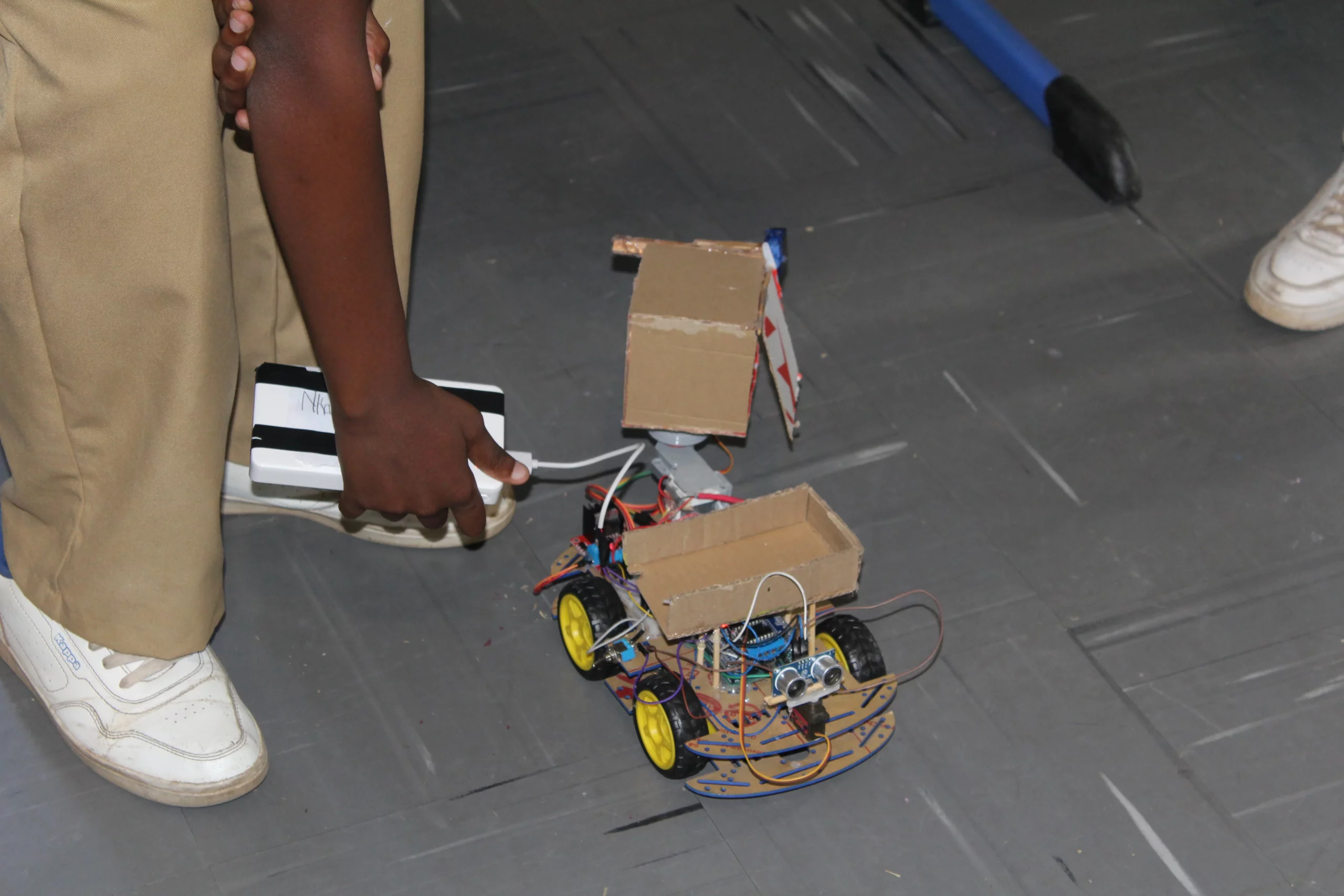
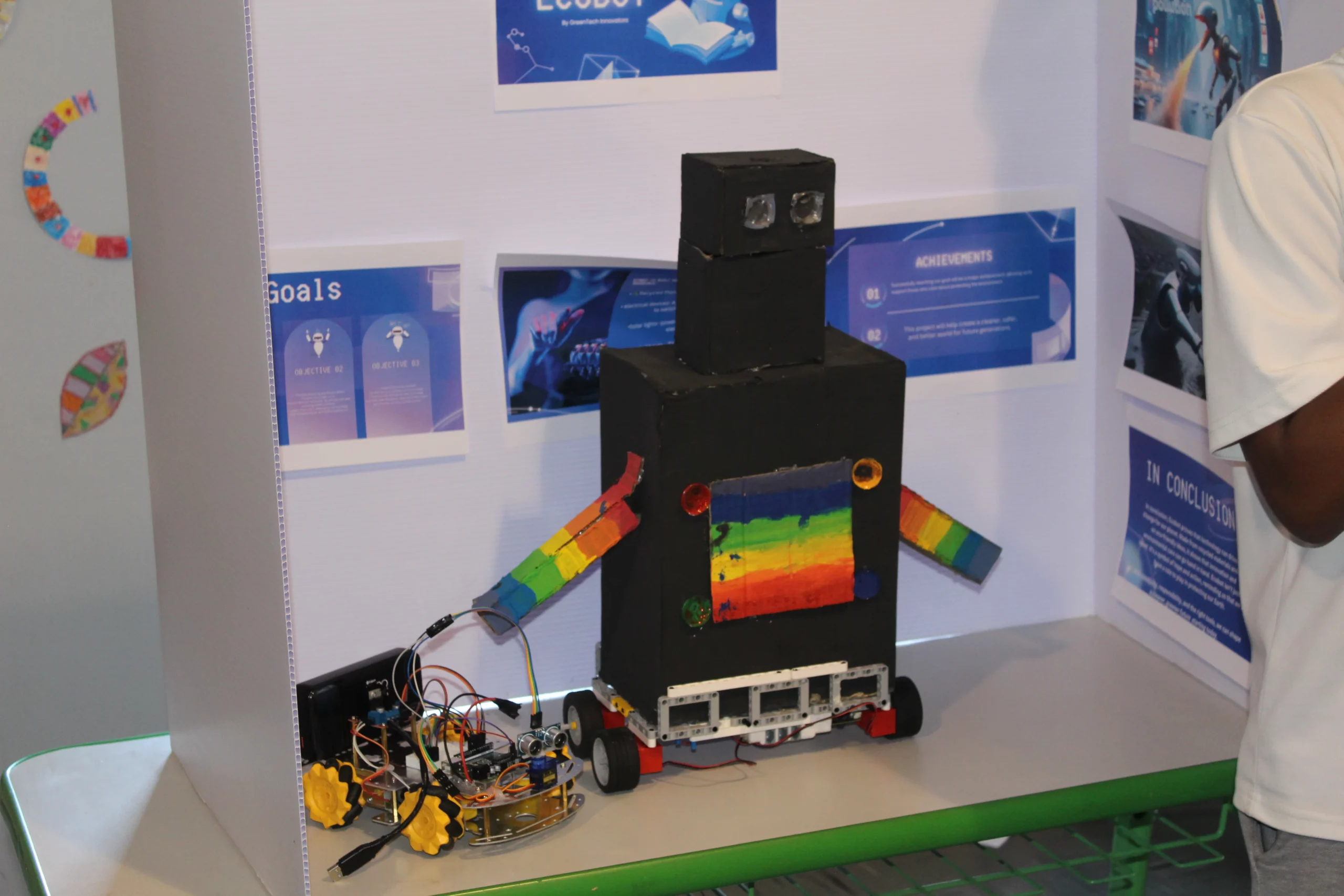
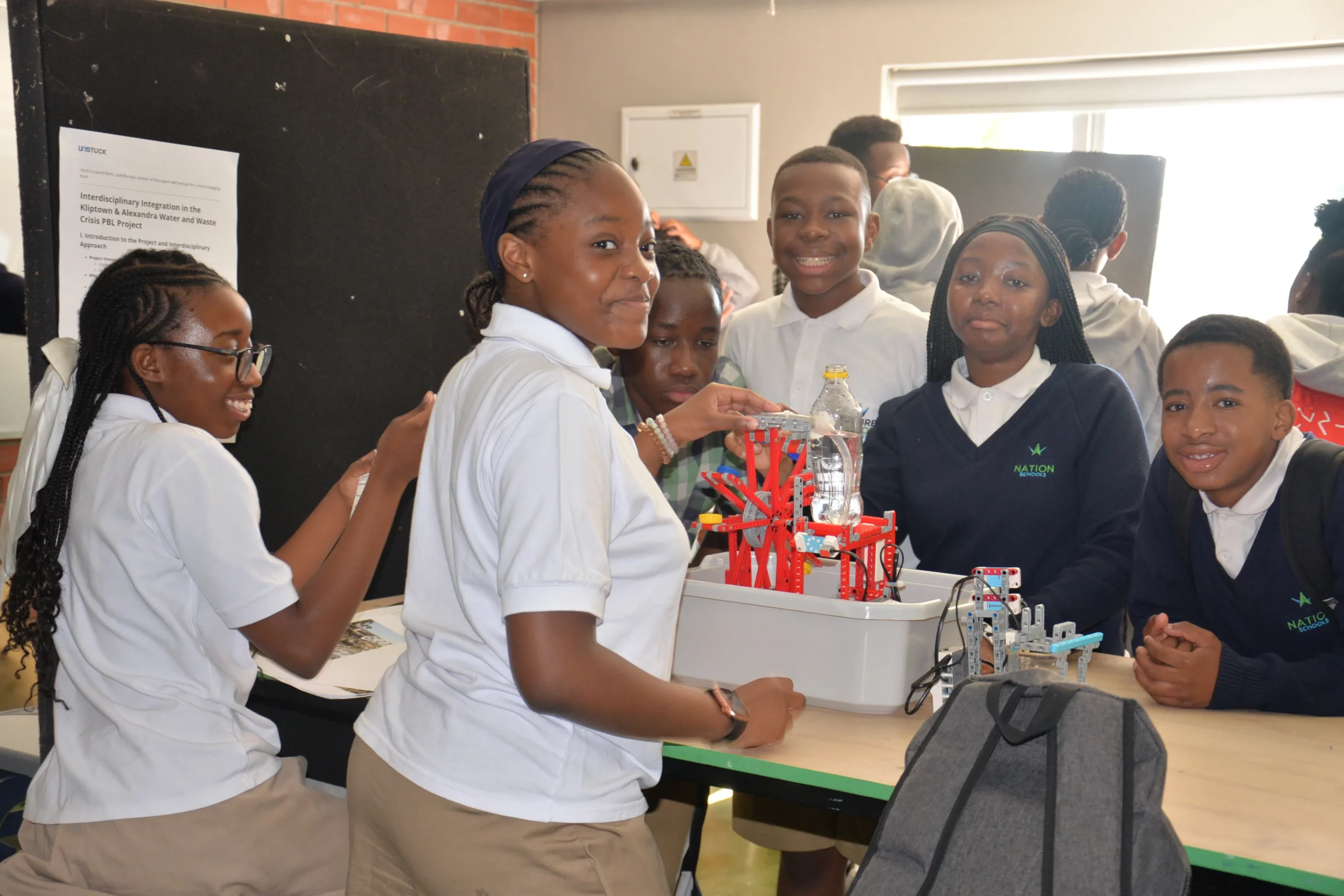
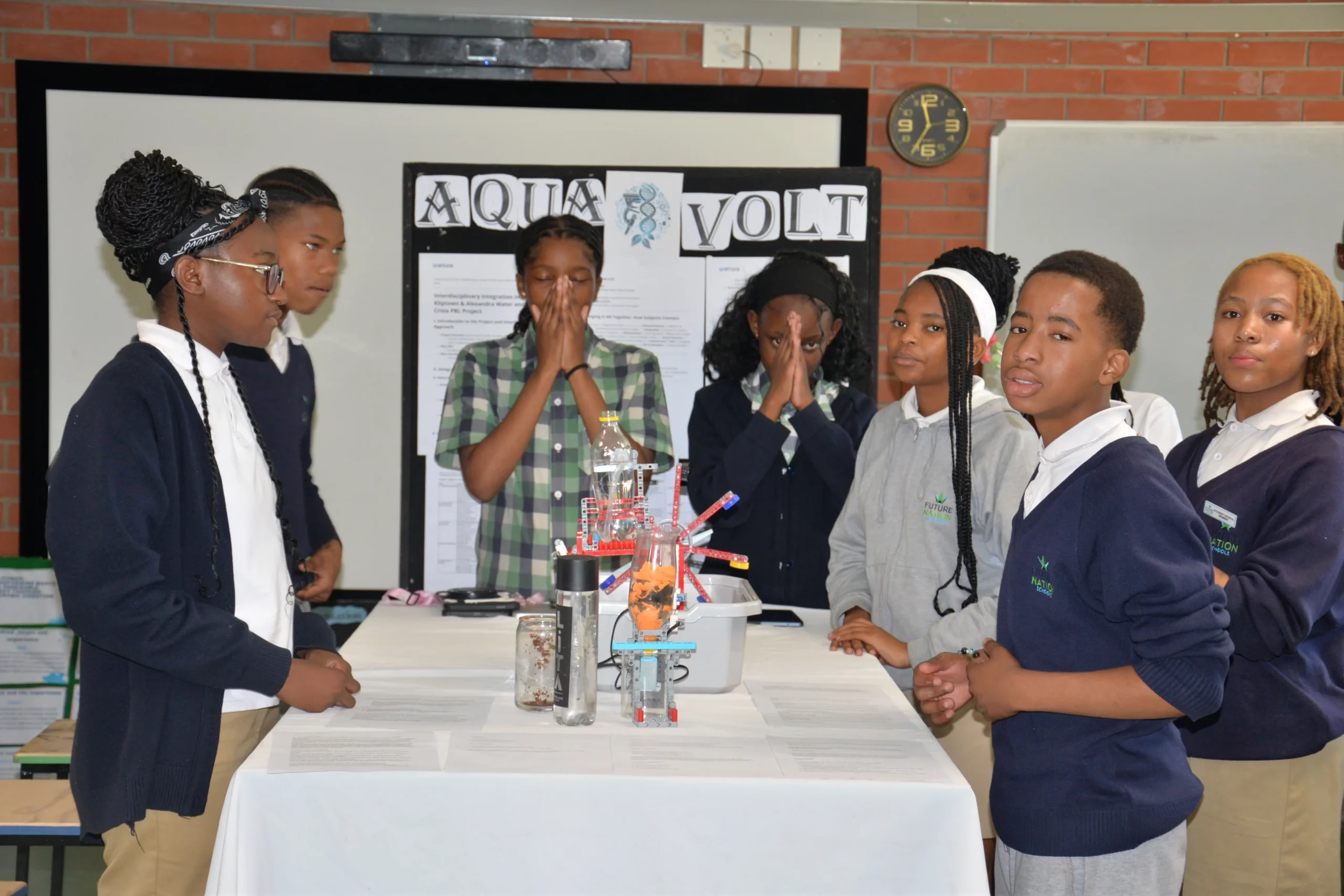
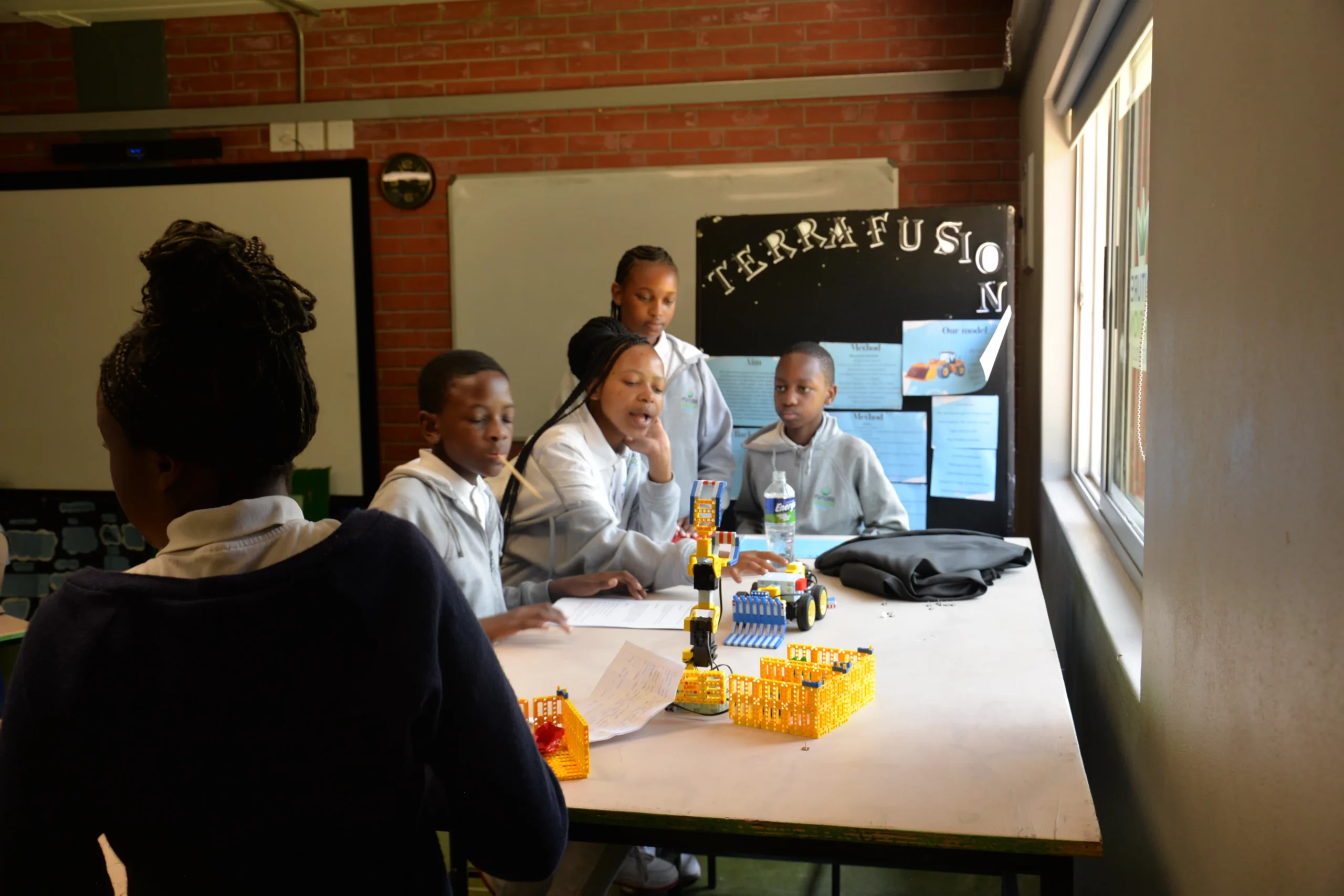
Learners explored real-world environmental challenges related to pollution, waste disposal and water scarcity and examined how these issues affect both human communities and natural systems. Through sustained enquiry, learners conducted research, surveys and interviews, analysed data and experimented with practical solutions. Working collaboratively, learners designed and built functional sustainability prototypes aimed at improving water purification, waste management or energy generation.
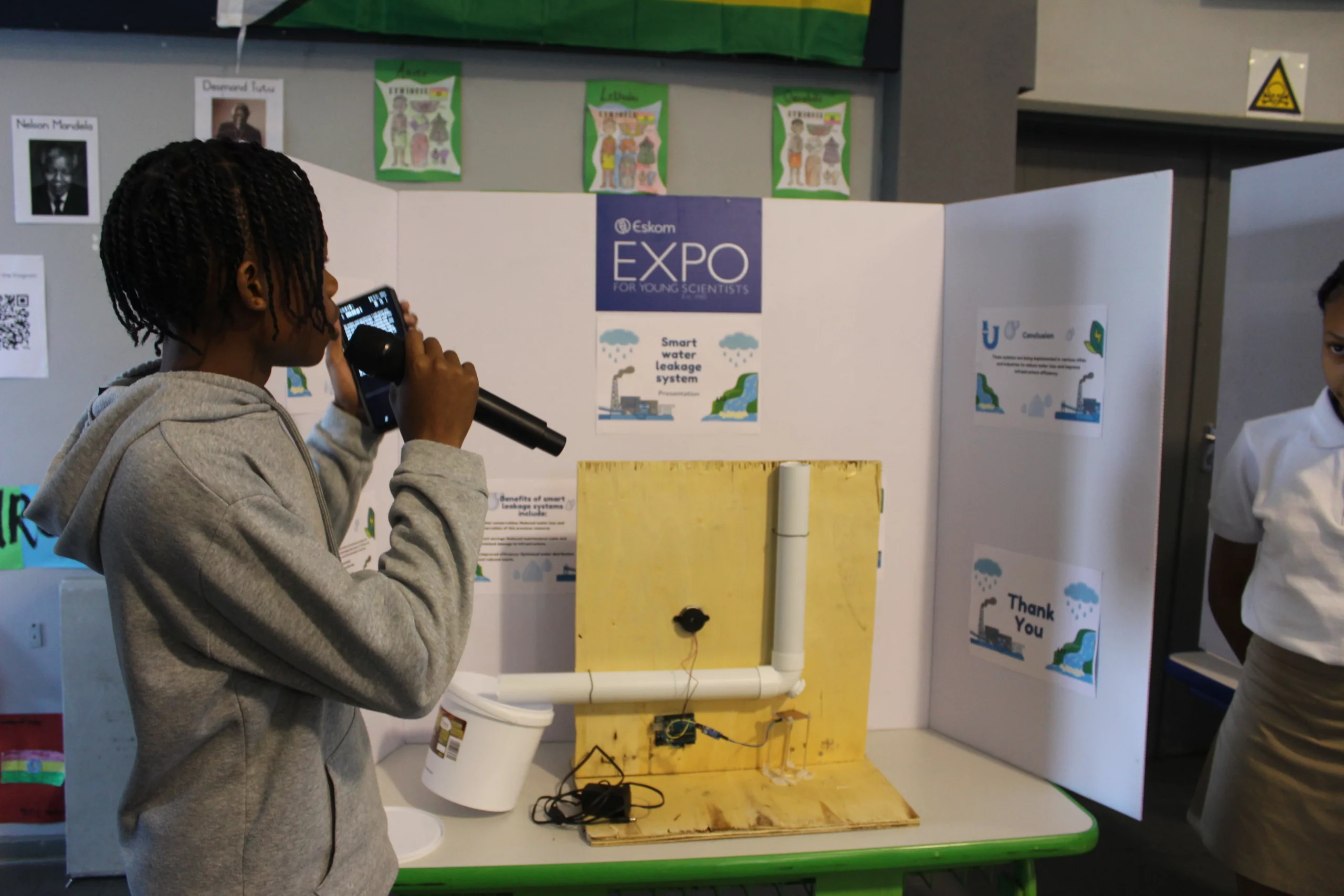
The project culminated in a public exhibition where learners presented their prototypes, research findings and business models through oral presentations and visual displays, followed by structured reflection on environmental responsibility and sustainable innovation.
Subject integration:
natural sciences
Learners explored ecosystems, biodiversity, pollution and human impact on the environment. Scientific investigation skills were developed through data collection, testing and evaluation of water and waste management solutions.
technology
Learners applied the design process to plan, construct and refine functional sustainability prototypes. Problem-solving, systems thinking and innovation were emphasised through hands-on building and iterative testing.
social sciences
Learners examined local environmental challenges within the context of South African communities, focusing on the social and ecological consequences of poor water and waste management practices.
english
Learners developed research, reporting and communication skills through surveys, written research reports, presentations and reflective tasks. Oral presentation skills were strengthened during exhibitions and project pitches.
economic and entrepreneurial thinking
Learners developed basic business models linked to their prototypes, considering sustainability, feasibility and real-world application of their solutions.
life skills
Collaboration, critical thinking, accountability and reflective practice were strengthened through group work, peer feedback and self-evaluation across the project lifecycle.