Driving question: How can we design and implement smart, sustainable cities that address climate change, embrace indigenous knowledge, and foster global citizenship?
Grade: Grade 9
Project Descriptor:
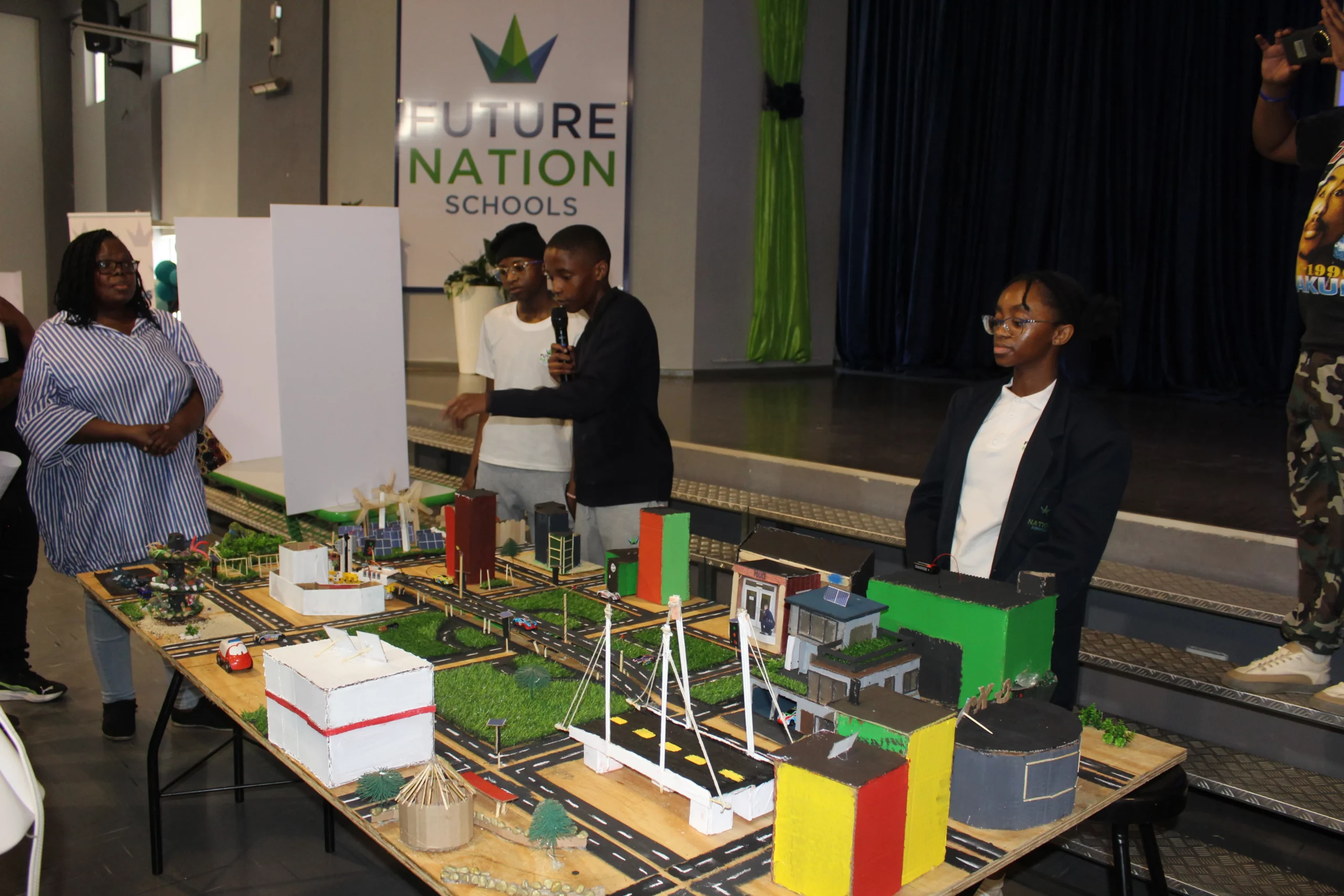
In this interdisciplinary Project-Based Learning experience, Grade 9 learners explored the concept of designing a smart, sustainable and resilient city in response to real-world urban challenges. The project was anchored in Sustainable Development Goal 11 (Sustainable Cities and Communities) and Sustainable Development Goal 13 (Climate Action), while also integrating innovation and infrastructure principles aligned to SDG 9.
Learners investigated the social, economic and environmental challenges facing Johannesburg and other urban spaces, including infrastructure strain, unemployment, transport inefficiencies, energy insecurity, waste management and water scarcity. They conducted community interviews and surveys to gather authentic data on local challenges and analysed how rapid urbanisation and climate change intensified these issues.
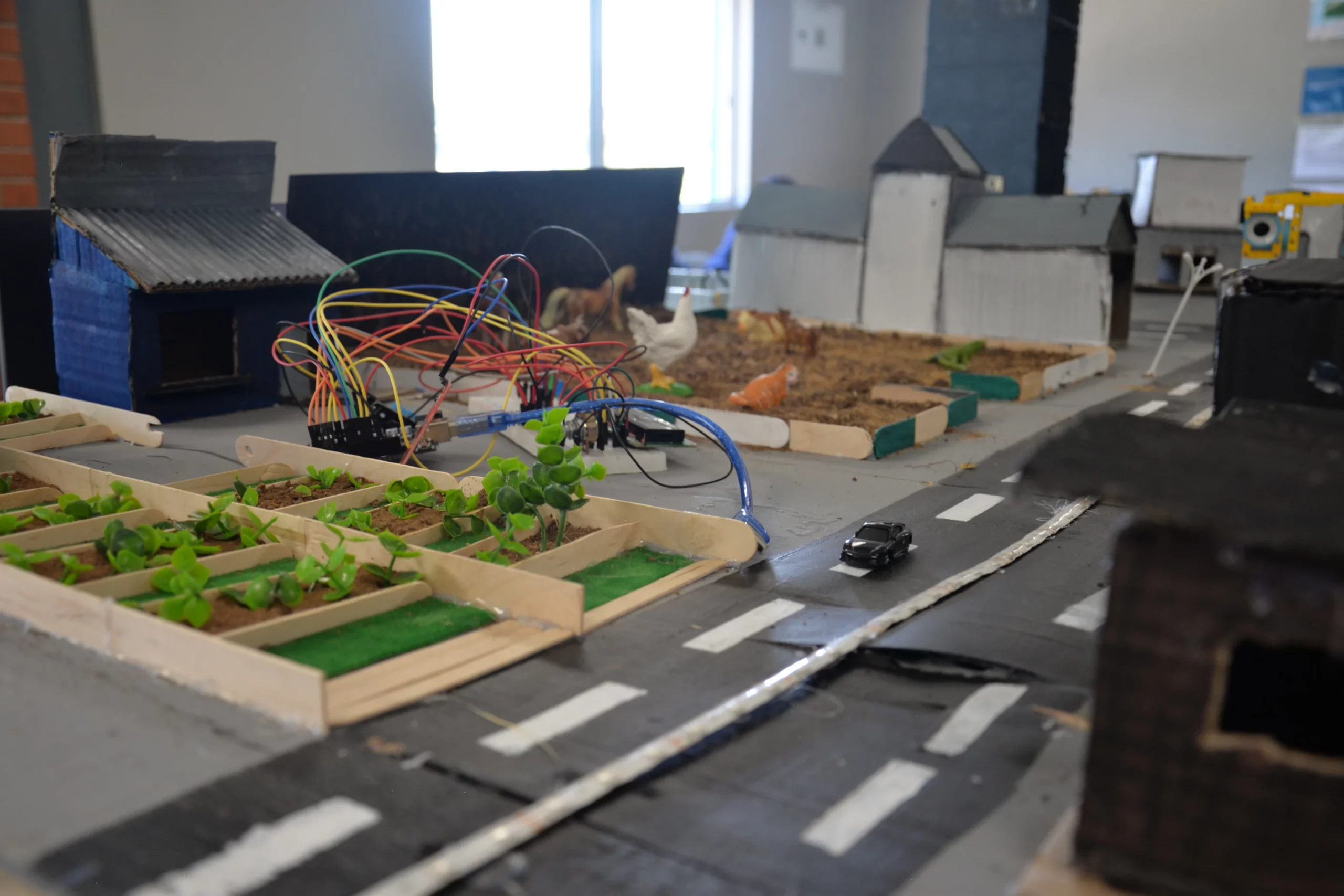
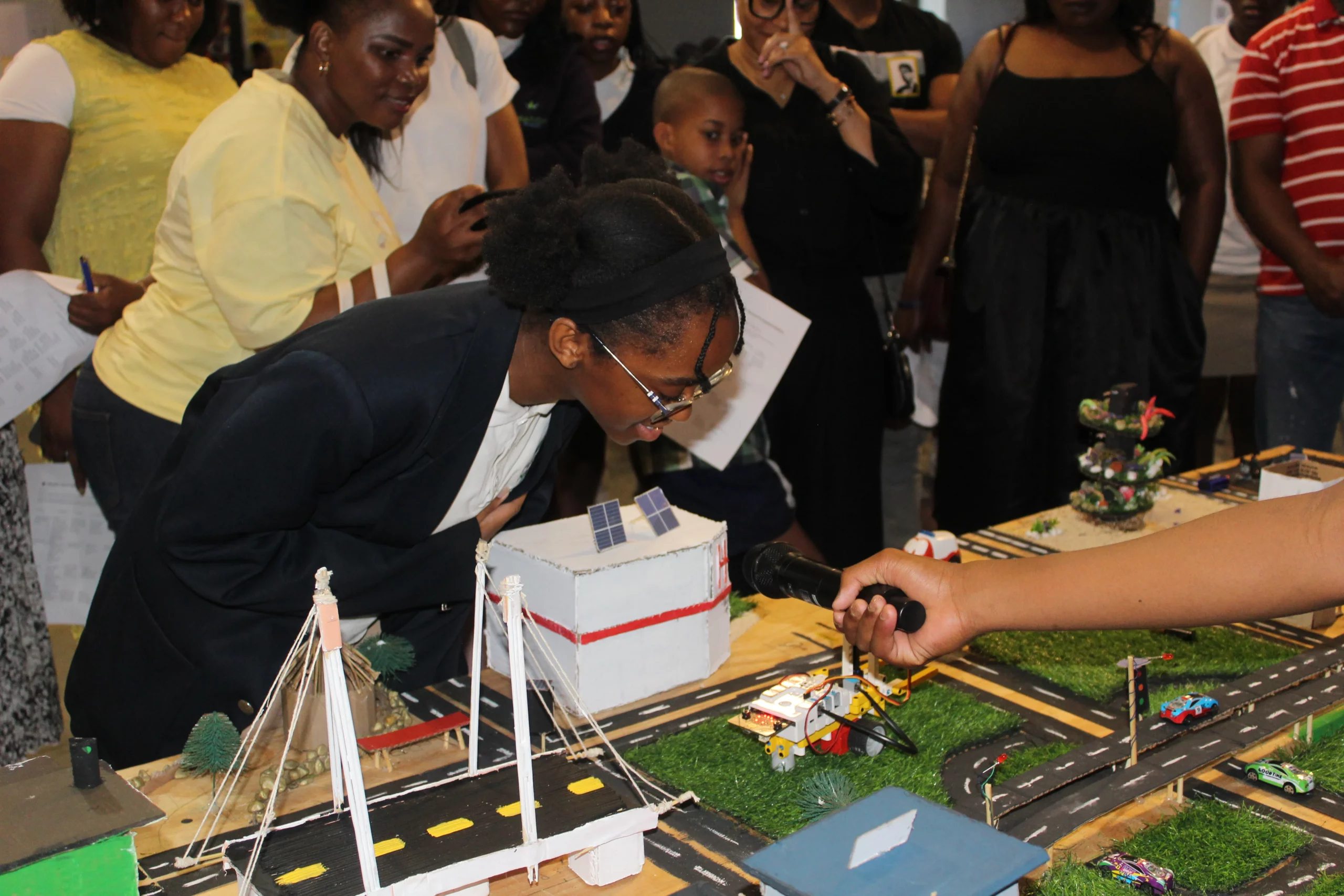
Through collaborative inquiry, learners designed Smart City models that integrated renewable energy systems, smart traffic solutions, sustainable water recycling processes and environmentally responsible waste management systems. They incorporated indigenous knowledge systems and traditional sustainable practices into their designs to ensure culturally responsive and contextually appropriate solutions.
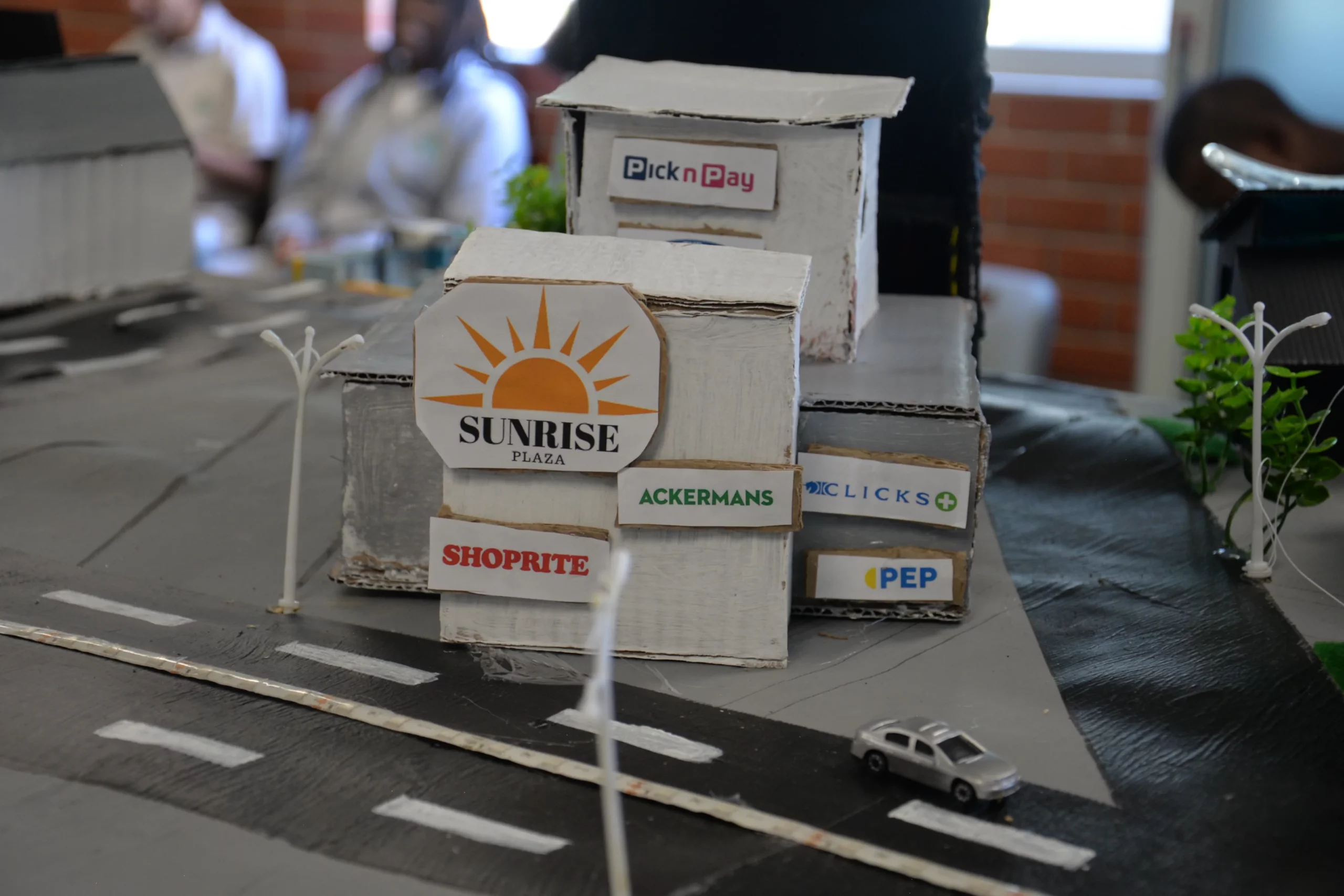
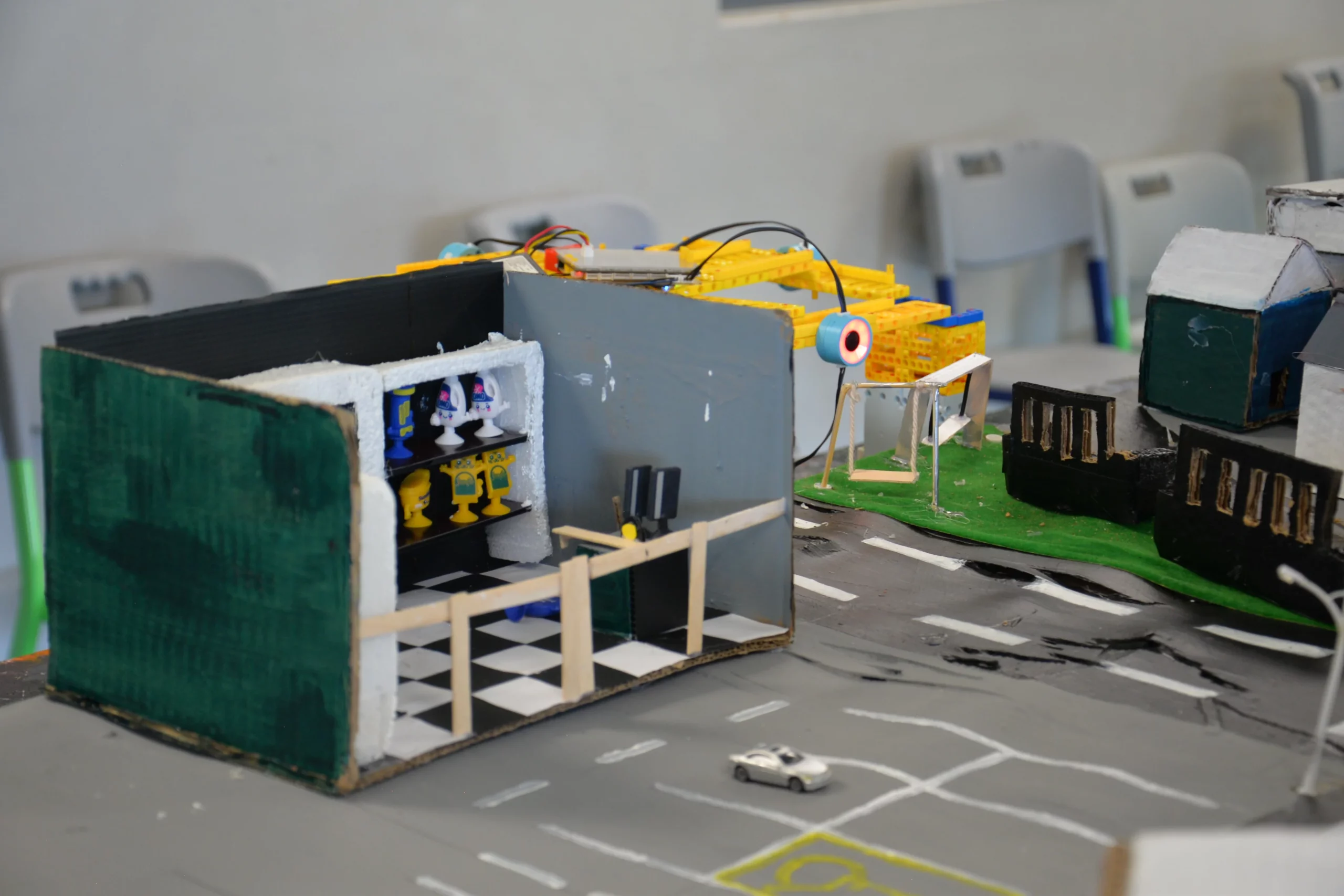
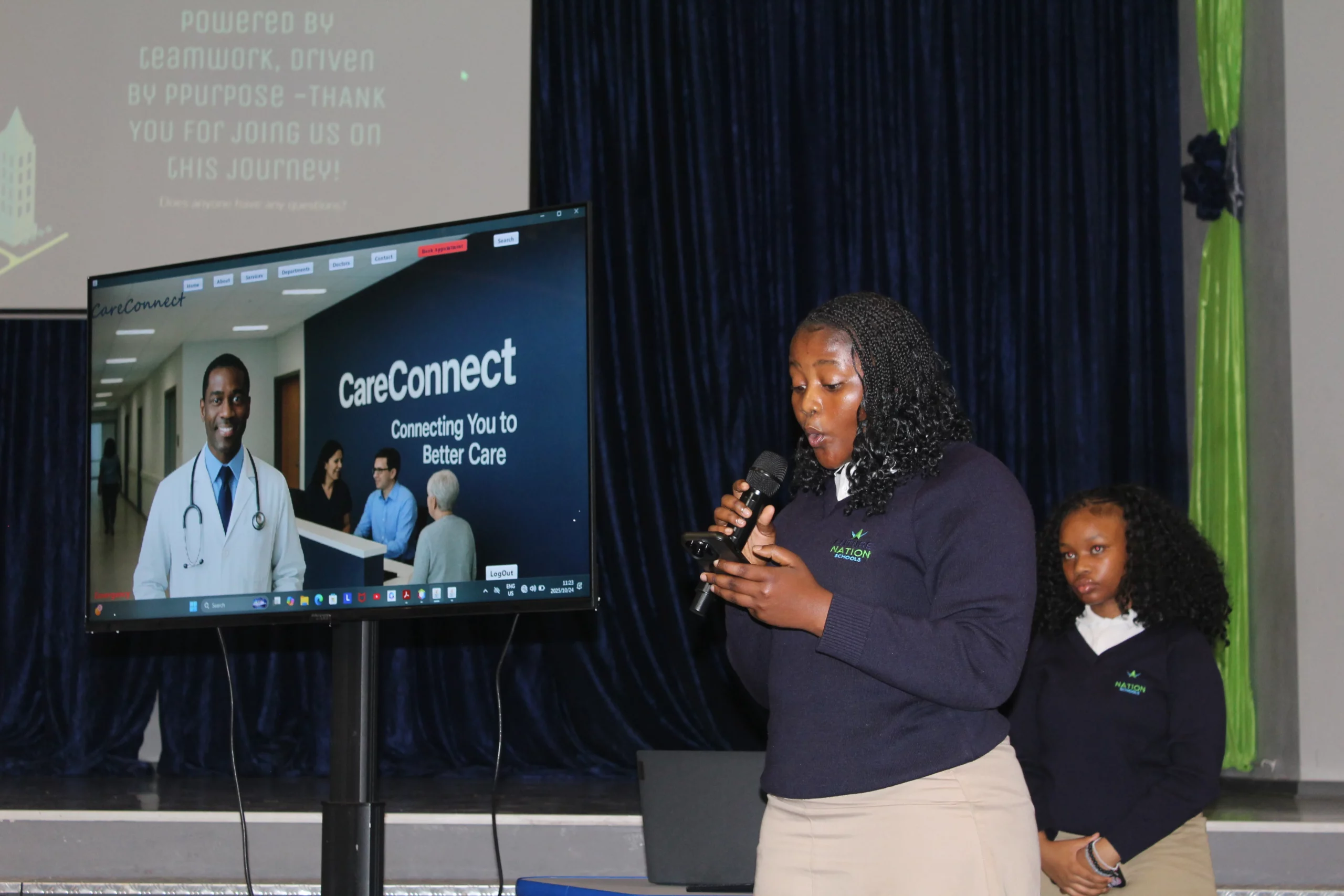
Using research, digital design tools and 3D modelling software, learners developed both physical and digital representations of their cities. They created business models for smart services, prepared investor-style pitches and presented their final models to peers, educators and invited guests. The project culminated in a public exhibition where learners showcased technologically advanced, environmentally responsible and socially inclusive city prototypes grounded in real-world research and global citizenship principles.
Subject integration:
Social Sciences: Learners investigated urbanisation, climate change and sustainable development within local and global contexts. They analysed social and geographical factors influencing city development and designed sustainable and resilient cities based on authentic community data. They examined how governance, infrastructure and environmental planning shape human settlements.
Computing / Coding and Robotics: Learners developed automated models and simulations for smart infrastructure systems such as waste collection, traffic management and water distribution. They applied systems thinking and logical problem-solving to demonstrate how technology could optimise efficiency and resource management within their city designs.
English Home Language: Learners conducted structured interviews and compiled analytical research reports on community challenges. They produced discursive writing pieces and created project documentation and marketing materials. They strengthened formal communication skills through structured oral presentations during the exhibition.
First Additional Language: Learners investigated traditional sustainable practices such as water harvesting and green farming. They explored indigenous knowledge systems and evaluated how historical environmental practices could inform modern smart city solutions.
Natural Sciences: Learners examined renewable energy sources including solar, wind and hydro power. They investigated waste management, recycling systems and water purification processes. They applied scientific principles to justify the environmental sustainability of their city prototypes.
Technology: Learners used 3D design and modelling software to create digital blueprints of infrastructure systems. They applied spatial planning and design principles to construct durable and visually coherent smart city models.
Economic and Management Sciences: Learners developed business models for smart city services such as renewable energy companies and eco-friendly transport systems. They conducted market research, created financial plans and prepared investor-style pitches to demonstrate economic viability.
Mathematics: Learners applied mathematical modelling to simulate traffic flow and energy consumption. They calculated dimensions, scale and measurements for accurate construction and developed budgets to ensure financial feasibility.