Grade: Grade R
Project Descriptor:
During this project, Grade R learners explored how their classroom environment could support learning through play and sensory experiences. Learners investigated how their senses help them learn and worked collaboratively to design a stimulating classroom space.
Through guided discussions, observation walks around the school and hands-on activities, learners shared ideas about colours, shapes and learning corners that would make their classroom more engaging. Working in groups, learners created sensory learning stations using recycled and everyday materials and helped transform their classroom into a Discovery Centre with themed areas for imaginative play and exploration.
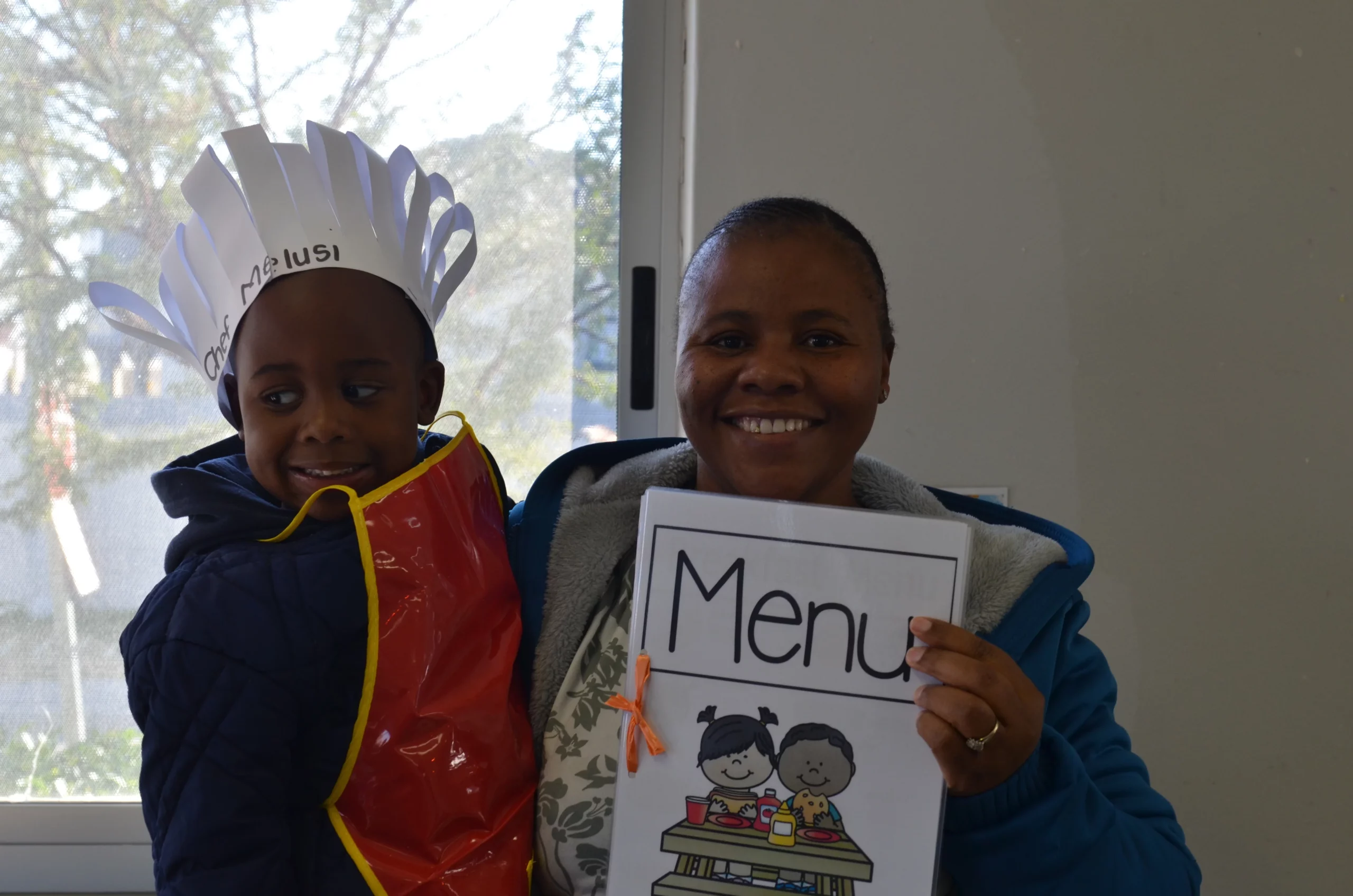
The project culminated in an exhibition where learners showcased their learning stations to parents and peers, explained their choices and reflected on how their classroom supported joyful, meaningful learning.
Subject integration:
life skills
Learners developed cooperation, creativity and problem-solving skills through group work and role play. Social development, classroom responsibility and emotional awareness were strengthened through discussions, shared decision-making and reflective activities.
mathematics
Learners explored counting, sorting, measurement, space and shape while designing learning stations and arranging classroom areas. Simple data handling was introduced through voting for favourite sensory activities and tracking station use.
english
Learners expanded vocabulary related to learning spaces and senses, practiced listening and speaking during circle time and presentations and expressed ideas through creative drawing, storytelling, songs and shared reading.
creative arts
Learners designed visual displays, explored colour and pattern and created decorative elements for classroom corners. Art and craft activities supported self-expression and sensory exploration.
African studies
Learners incorporated African elements into classroom design, including traditional shapes, patterns and storytelling. Cultural identity was celebrated through songs, artwork and the creation of an African-inspired reading corner.